
Listen To Your Gut
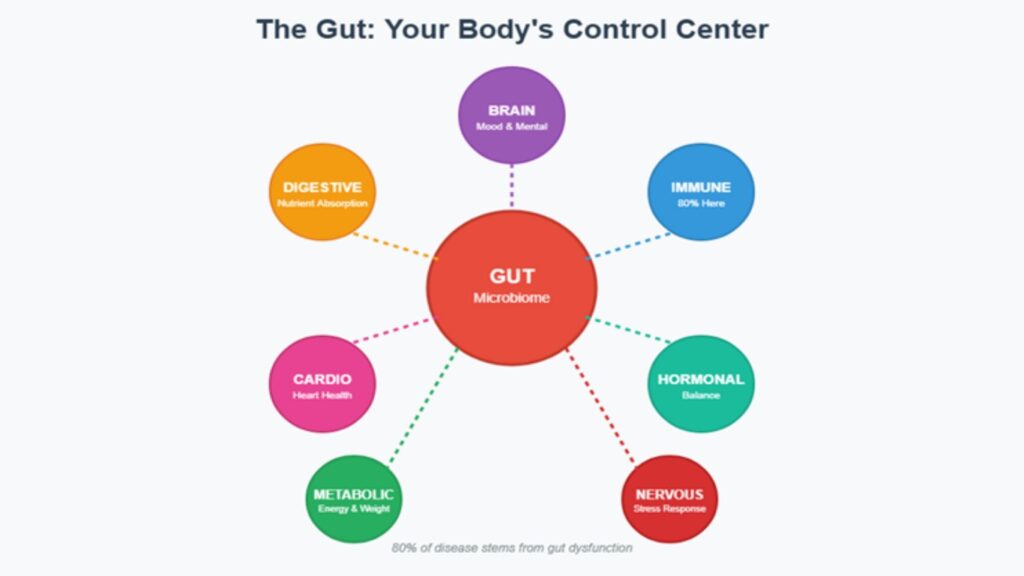
There’s a reason people say “listen to your gut” when something feels off. The gut is often referred to as our second brain because it houses a complex and diverse community of bacteria that communicates directly with the brain. Everything we do—from what we eat and how we sleep to how we manage stress and move our bodies—impacts our gut ecosystem, which in turn influences how we think, feel, and function. Your gut connects to nearly every system and organ, including your brain, immune system, and hormones. Even more striking? Nearly 80% of disease stems from gut dysfunction. That’s right – 80%!
Your gut health is largely shaped by diet and lifestyle choices within your control: what you eat, your relationships, your environment, and your daily habits. The good news? Small, simple changes to your routine can boost immunity, protect your gut, and help you feel better.
Five Natural Ways to Support Your Gut and Immunity
1. Eat More Prebiotics and Probiotics
Prebiotics nourish the good bacteria in your gut, improving digestion, reducing inflammation, supporting immune function, balancing hormones, and lowering the risk of weight gain and cardiovascular disease. The best part? They’re abundant in whole foods, so no supplements needed!
Prebiotic-rich foods: Artichokes, asparagus, berries, black beans, cashews, fennel, flaxseeds, garbanzo beans, garlic, grapefruit, green peas, hemp seeds, jicama, lentils, navy beans, nectarines, oats, onions, peaches, persimmon, pistachios, potatoes, watermelon
Probiotics are beneficial microorganisms that enhance gut flora. While supplements can help, eating a varied diet rich in fruits and vegetables is key to building microbial diversity.
Probiotic-rich foods: Fermented foods such as Kimchi, kombucha, miso, pickles, sauerkraut, tempeh, yogurt.
2. Stay Hydrated Throughout the Day
Hydration is one of the easiest and most affordable habits for gut health. Sipping warm water throughout the day stimulates digestion, clears toxins, boosts metabolism, promotes mental clarity, and gives your skin a healthy glow.
While you’ve likely heard “drink eight glasses daily,” hydration needs vary by individual. An active teenager needs more water than someone with a sedentary lifestyle. General recommendations are about 11.5 cups daily for women and about 15.6 cups for men. About 20% of daily water needs come from food, so include hydrating options like celery, spinach, pineapple, and grapefruit.
Hydration Tips for Everyday Health
- Add fruit for flavor—lemon provides vitamin C, while berries, melon, or cucumber add natural sweetness
- Carry a BPA-free reusable water bottle to stay hydrated and distinguish thirst from hunger
- Drink a glass of water before your morning coffee to stimulate your bowels and kickstart digestion
3. Reduce Stress
Stress is one of the biggest killers of beneficial gut bacteria. Check in with yourself to identify your stressors. Are you constantly facing tight deadlines? Juggling work and family? Pinpoint one or two major sources and prioritize unwinding through activities that work for you:
- Meditation and practice breathing exercises, exercise (running, yoga)
- Disconnect from devices
- Take a bath with essential oils, get a massage or facial
- Nap guilt-free, walk or meet a friend for coffee
- Treat yourself to something special, read a new book, enjoy a date night
4. Get Quality Sleep
Don’t skimp on sleep. During rest, your body enters the “rest and digest” state, essential for processing food and emotions. Quality sleep allows your digestive and nervous systems to recharge.
Try sleeping on your left side—gravity naturally encourages waste to move through your intestines, preparing for morning elimination. During winter months when germs are prevalent, adequate sleep becomes even more critical. Studies show women sleeping less than five hours a night have a 70% higher risk of pneumonia compared to those getting eight hours. Sleeping less than six hours may also increase susceptibility to colds.
5. Move Your Body
Movement increases blood flow and stimulates the bowels. Just thirty minutes of movement five times weekly can transform your gut and overall health.
Gut-friendly exercises include:
- Yoga: Poses like seated spinal twist, cat-cow, and child’s pose stretch your abs and promote deep breathing, which stimulates digestion
- Tai chi: Gentle, flowing movements support the microbiome
- Aerobic activities: Walking, running, cycling, or jumping rope help maintain a healthy weight, relieve stress, and reduce inflammation, constipation, and bloating
A 15-minute walk after meals significantly aids digestion and helps balance blood sugar levels. Can’t walk outside? Move around your home or walk in place—every step counts!
Ready to transform your gut health? Start with one small change today and build from there. Your gut—and your entire body—will thank you.